
Season 7, Episode 2: Are We History? Historians in the Age of AI – Part II

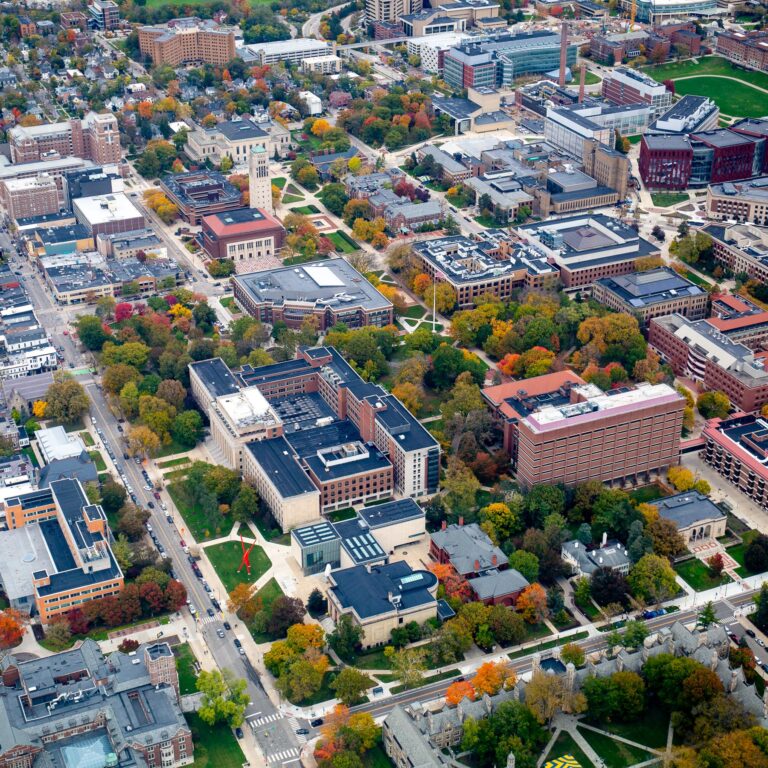
In this episode of Reverb Effect, we look at the ways in which graduate students and faculty in the humanities have been responding to the rise of AI. Last year, the University of Michigan’s history department put on workshops to begin discussing the impact of AI on teaching and learning and these first two episodes of the new season of the podcast seek to follow up on those conversations. In this episode we had a chance to talk to multiple graduate students and faculty to get a sense for some of the challenges they have encountered in the classroom, how they have reworked their approaches to teaching, and whether or not they think there is a place for generative AI in the practice of studying history. This episode also features a discussion with professor Joy Rohde, whose upcoming book People of the Machine provides some historical context for many of today’s current questions and concerns surrounding AI.

Author

Contributor

Department or Unit

Publish Date

Format

Funding Source

Season 7, Episode 1: Are We History? Historians in the Age of AI – Part I

In this episode of Reverb Effect, we look at the ways in which undergraduates in the humanities have been responding to the rise of AI. Last year, the University of Michigan’s history department put on workshops to begin discussing the impact of AI on teaching and learning and these first two episodes of the new season of the podcast seek to follow up on those conversations. In this episode we had a chance to talk to Cameron Amiot and Arjit Agarwal, two undergraduates involved in organizing a roundtable discussion on AI in the department, as well as Ella Hengeveld, the president of the university’s undergraduate History Club. The episode also features discussions with Sandy Rozek, Education Lead at LSA’s Generative AI Center of Excellence, and Richard Bachmann, a PhD candidate who was involved with focus groups that examined first year undergraduates’ interactions with generative AI.

Author

Contributor

Department or Unit

Publish Date

Format

Funding Source

Season 6, Episode 4: Conservatism on College Campuses: A Conversation with Lauren Lassabe-Shepherd and Sophie Wunderlich

In this episode of Reverb Effect, Lauren Lassabe-Shepherd and Sophie Wunderlich look at the long history of conservative student activism on American college campuses. The popular image of the 1960s student is a protester against the Vietnam War or for civil rights. That same decade also saw the rise of right-wing student groups like Young Americans for Freedom and the Intercollegiate Studies Institute. We explore how national leaders and donors built these groups, what they called grassroots organizing, and how they copied the tactics of the left. We also follow the students who later became prominent figures in the Republican Party, the courts, and conservative media, and trace the right’s century-long fight with higher education up to today’s campus culture wars.

Contributor

Department or Unit

Publish Date

Format

Funding Source

Season 6, Episode 3: Making KIN

In this episode of Reverb Effect, we visit KIN: Us and Our Kinds, an exhibit of paintings, comics, and sculpture by historian and artist Rafael Neis, and ask what happens when creative practice becomes a way of doing history. Drawing on ancient rabbinic stories, KIN explored how kinship, species, and bodies were once imagined as unstable and open to change. We talk with Neis about bringing art and scholarship together, teaching history through hands-on experiments, the medical history of classifying bodies, and how discomfort in front of art can start conversations.

Author

Contributor

Department or Unit

Publish Date

Format

Funding Source

Season 6, Episode 2: “When They Come Back to Communities, You See Life:” Reparations in Uganda

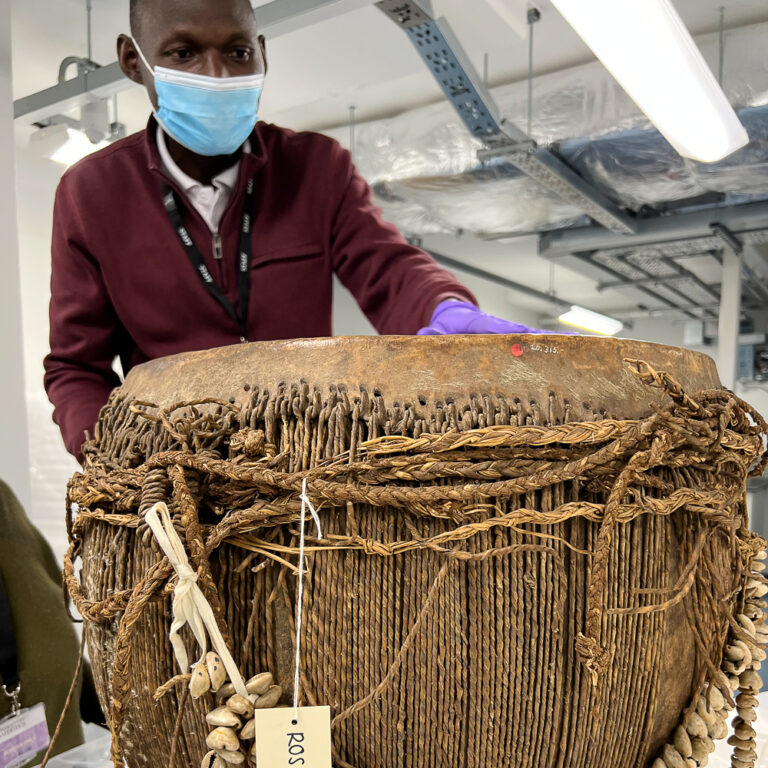
In this episode of Reverb Effect, we follow the journey of Ugandan cultural artifacts from removal to repatriation, and what happens when they return home. Tracing historical materials and their layered afterlives as they moved from colonial Africa to the Cambridge Museum and back to the Uganda National Museum, we explore how collecting trajectories stripped objects of meaning, and how present-day recovery raises complex questions about belonging and identity.

Author

Contributor

Department or Unit

Publish Date

Format

Funding Source

Season 6, Episode 1: Capturing Change to Build a Future: The Woodbridge Oral History Archive

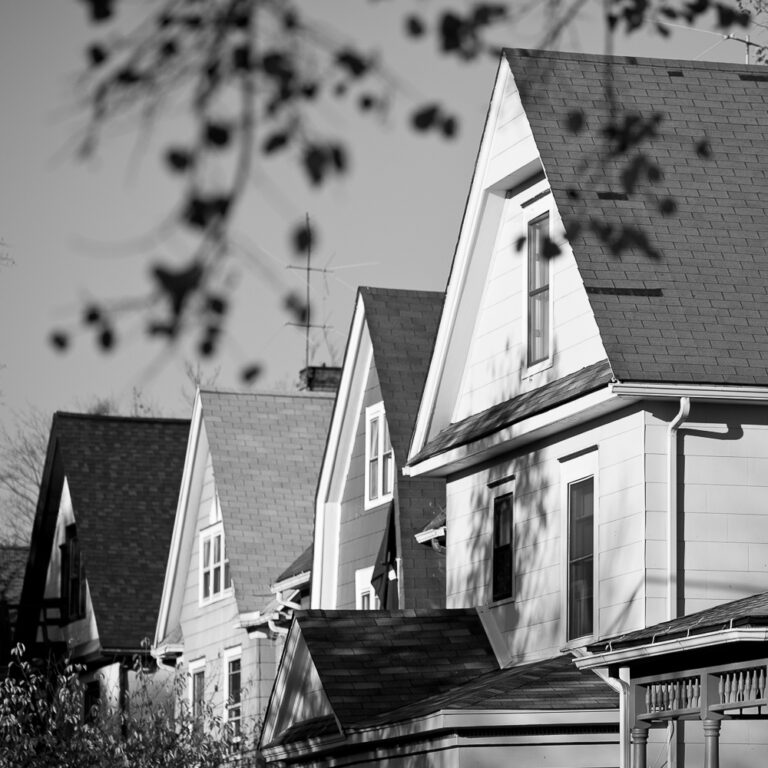
What happens when a neighborhood tells its own story? In this episode of Reverb Effect, we step into Detroit’s Woodbridge neighborhood to hear firsthand accounts of resilience, memory, and change – from postwar life and the 1967 uprising to art, activism, and shifting pressures of today.

Author

Contributor

Department or Unit

Publish Date

Format

Funding Source

Season 5, Episode 6: “Does It Matter?”: Legacies of the First World War

Nationalism. Emerging technology. Militarization. Destroyed bodies. Total war. In this episode, three historians reconsider the dominant themes of the First World War—which are as relevant today as they were a century ago.

Author

Contributor

Department or Unit

Publish Date

Format

Funding Source