
In this episode of Reverb Effect, we visit KIN: Us and Our Kinds, an exhibit of paintings, comics, and sculpture by historian and artist Rafael Neis, and ask what happens when creative practice becomes a way of doing history. Drawing on ancient rabbinic stories, KIN explored how kinship, species, and bodies were once imagined as unstable and open to change. We talk with Neis about bringing art and scholarship together, teaching history through hands-on experiments, the medical history of classifying bodies, and how discomfort in front of art can start conversations.
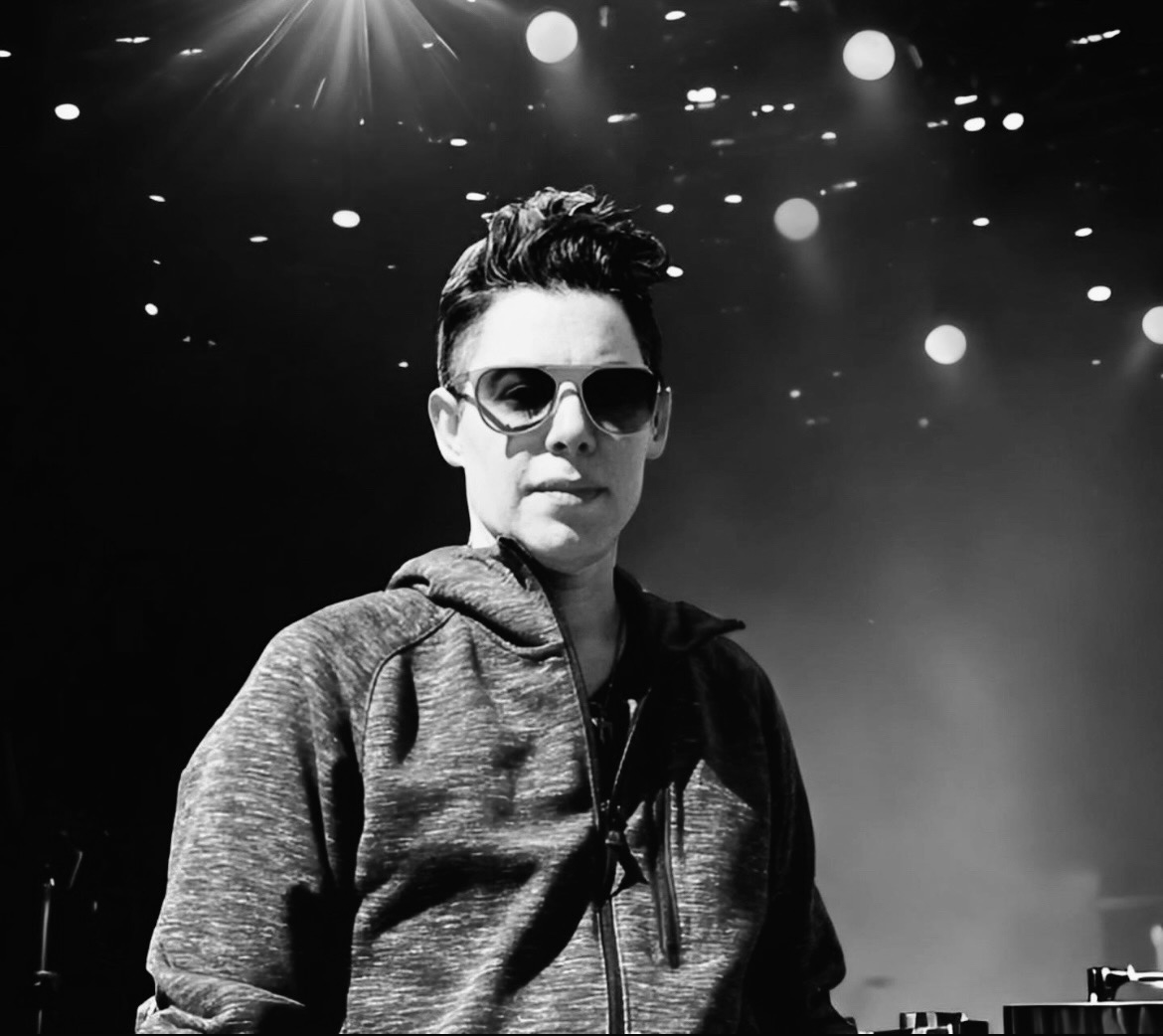
In this episode of Reverb Effect, we visit KIN: Us and Our Kinds, an exhibit of paintings, comics, and sculpture by historian and artist Rafael Neis, and ask what happens when creative practice becomes a way of doing history. Drawing on ancient rabbinic stories, KIN explored how kinship, species, and bodies were once imagined as unstable and open to change. We talk with Neis about bringing art and scholarship together, teaching history through hands-on experiments, the medical history of classifying bodies, and how discomfort in front of art can start conversations.
Rafael Neis is Hermann P. & Sophia Taubman Professor of Talmudic Culture at the University of California, Berkeley, and previously Professor of History and Judaic Studies at the University of Michigan. Neis is the author of When a Human Gives Birth to a Raven: Rabbis and the Reproduction of Species (University of California Press, 2023). Cheyenne Pettit received her PhD in History in 2025 and is now Assistant Professor of History at Missouri Southern State University.
View the full episode transcript.
Production Credits
Episode Producers: Cheyenne Pettit
Season Producer: Cheyenne Pettit
Executive Producer: Joseph W. Ho
Editorial Board: Joseph W. Ho, Kenneth Mills, Gregory Parker
Music: Eguana, “Wind In Wheat Fields” (Endless Quest Media)
Share your thoughts about Reverb Effect by messaging [email protected].
© 2026 Regents of the University of Michigan
Author
Cheyenne Pettit and Talitha Pam
Contributor
Cheyenne Pettit, Joseph W. Ho, and Talitha Pam
Department or Unit
History
Publish Date
2026
Format
Podcast
Funding Source