
-
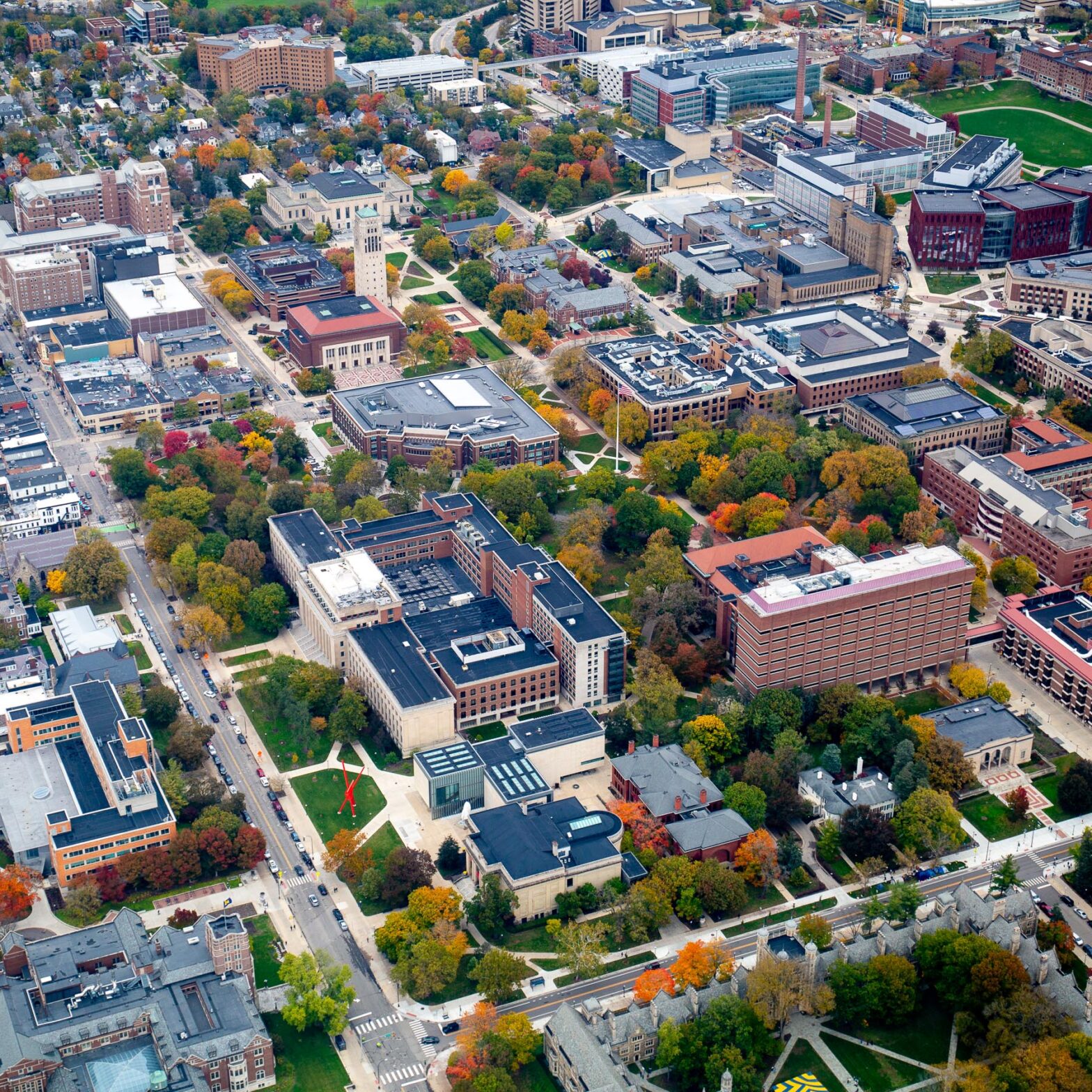
Season 6, Episode 4: Conservatism on College Campuses: A Conversation with Lauren Lassabe-Shepherd and Sophie Wunderlich
In this episode of Reverb Effect, Lauren Lassabe-Shepherd and Sophie Wunderlich look at the long history of conservative student activism on American college campuses. The popular image of the 1960s student is a protester against the Vietnam War or for civil rights. That same decade also saw the rise of right-wing student groups like Young…
-

Season 6, Episode 3: Making KIN
In this episode of Reverb Effect, we visit KIN: Us and Our Kinds, an exhibit of paintings, comics, and sculpture by historian and artist Rafael Neis, and ask what happens when creative practice becomes a way of doing history. Drawing on ancient rabbinic stories, KIN explored how kinship, species, and bodies were once imagined as…
-

Season 6, Episode 2: “When They Come Back to Communities, You See Life:” Reparations in Uganda
In this episode of Reverb Effect, we follow the journey of Ugandan cultural artifacts from removal to repatriation, and what happens when they return home. Tracing historical materials and their layered afterlives as they moved from colonial Africa to the Cambridge Museum and back to the Uganda National Museum, we explore how collecting trajectories stripped objects…
-

Season 6, Episode 1: Capturing Change to Build a Future: The Woodbridge Oral History Archive
What happens when a neighborhood tells its own story? In this episode of Reverb Effect, we step into Detroit’s Woodbridge neighborhood to hear firsthand accounts of resilience, memory, and change – from postwar life and the 1967 uprising to art, activism, and shifting pressures of today.
-
Season 6, Episode 1: Transcript
<Reverb Effect’s theme music, lively and interrogative, plays behind the voice of a narrator, interspersed with historical clips of other voices> Narrator [a woman’s voice]: How do past voices resonate in the present moment? Man A: …hear the stories of your parent’s… Woman A: yeah Man A: …and your grandparents’ and stuff, so I’m living…
-

Pure Michigan: The History of Hate in the Great Lakes Region
This exhibit explores several leading individuals, publications, movements, and organizations that contributed to the spread of hateful ethnic, religious, or racial ideology in the Midwest and beyond in the twentieth century.
-

Season 5, Episode 6: “Does It Matter?”: Legacies of the First World War
Nationalism. Emerging technology. Militarization. Destroyed bodies. Total war. In this episode, three historians reconsider the dominant themes of the First World War—which are as relevant today as they were a century ago.
-
Season 5, Episode 6: Transcript
<Reverb Effect’s theme music, lively and interrogative, plays behind the voice of a narrator, interspersed with historical clips of other voices> Narrator [a woman’s voice]: How do past voices resonate in the present moment? Man A: …hear the stories of your parent’s… Woman A: yeah Man A: …and your grandparents’ and stuff, so I’m living…
-

Season 5, Episode 5: Not Just for Scholars: Democratizing the Archives
Archives are central to the work of historians. But they are not just for scholars. In this episode, we talk with an archivist, an archival theorist, and a historian, all working to democratize these spaces, what they hold, and who can access them.
-
Season 5, Episode 5: Transcript
[Reverb Effect’s theme music, lively and interrogative, plays behind the voice of a narrator, interspersed with historical clips of other voices] Narrator [a woman’s voice]: How do past voices resonate in the present moment? Man A: …hear the stories of your parent’s… Woman A: yeah Man A: …and your grandparents’ and stuff, so I’m living…
-

Season 5, Episode 4: Constructed Categories: Syriac Christians and the Immigration Act of 1924
One person, missionary EW McDowell, influenced the fate of Syriac Christians ahead of the US Immigration Act of 1924. In this episode, Hannah Roussel interviews James Wolfe about McDowell, whose writings and testimony before Congress opened up the dialectics about the nature of the category “Asiatic.”
-
Season 5, Episode 4: Transcript
[Reverb Effect’s theme music, lively and interrogative, plays behind the voice of a narrator, interspersed with historical clips of other voices] Narrator [a woman’s voice]: How do past voices resonate in the present moment? Man A: …hear the stories of your parent’s… Woman A: yeah Man A: …and your grandparents’ and stuff, so I’m living…